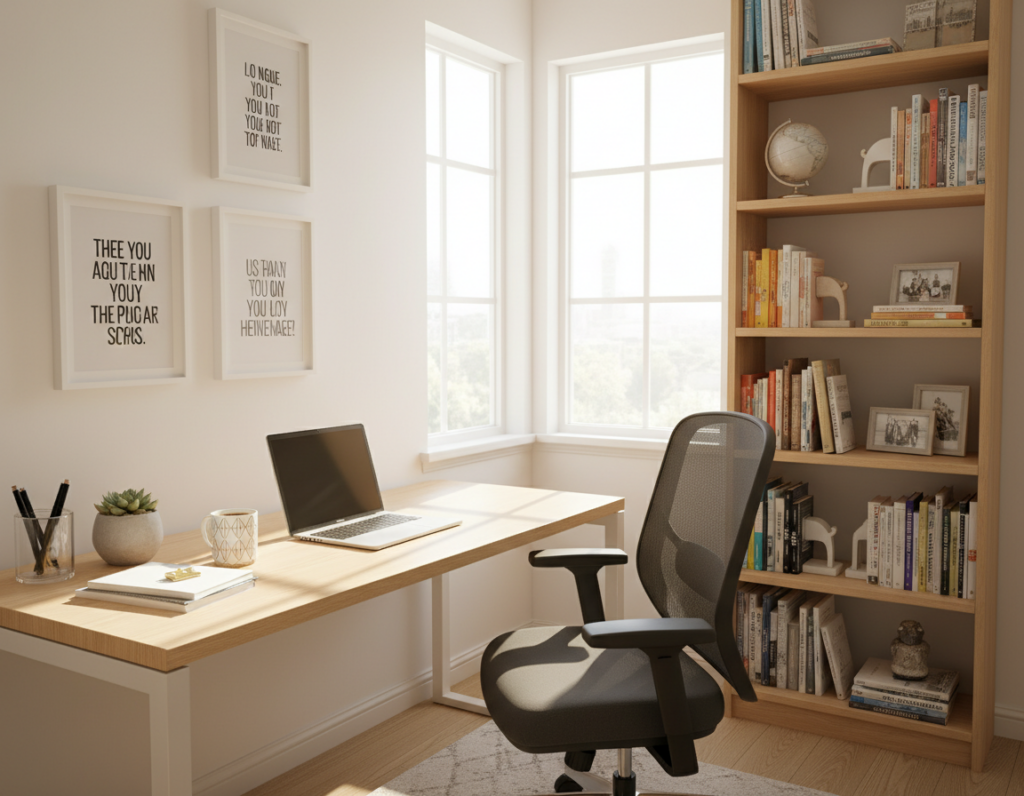
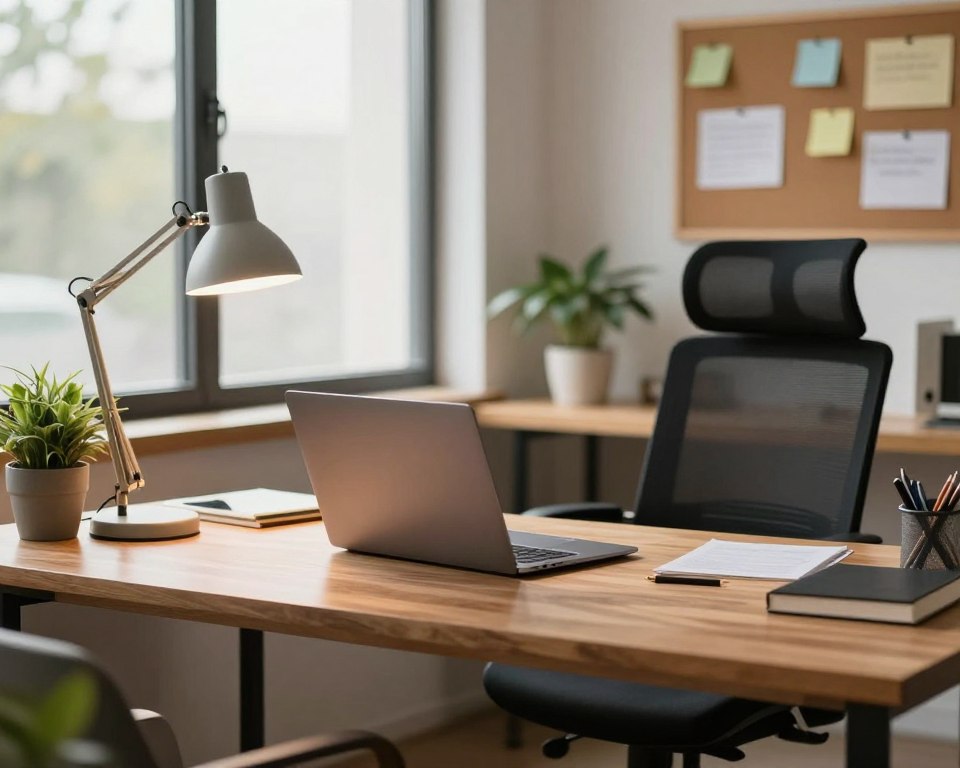
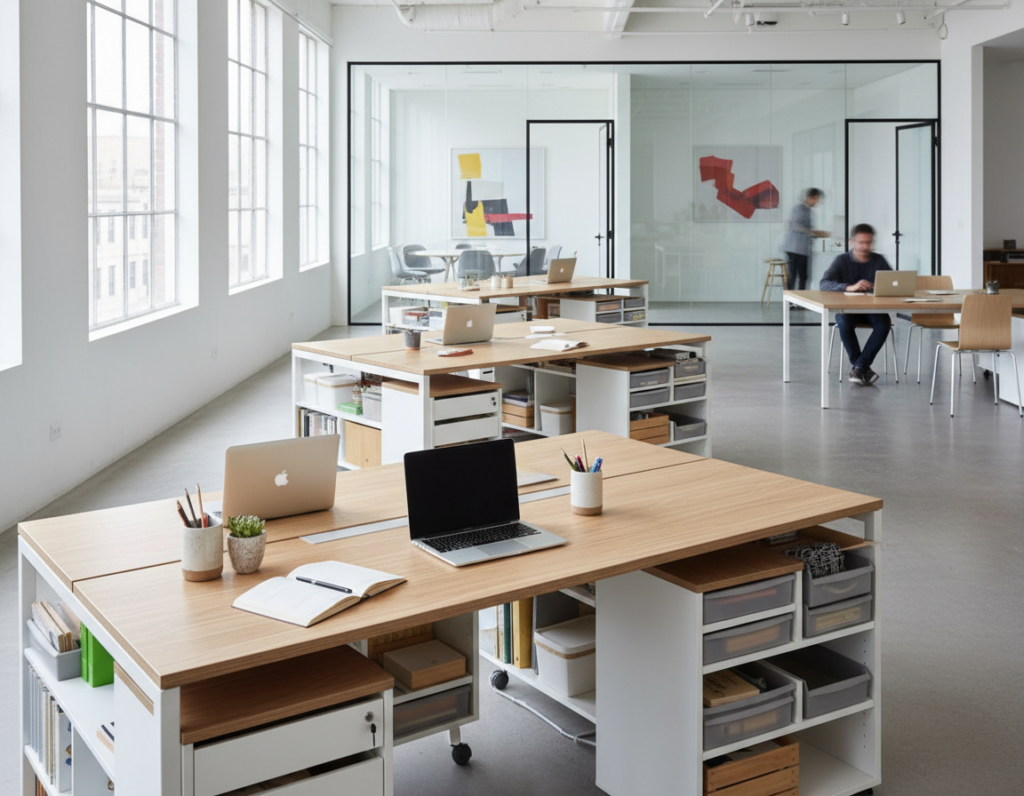
Small can be mighty. This guide gives a practical list of tiny desk workspace ideas that make a small setup feel open, organized, and comfortable in a typical U.S. home.
The goal is to help you feel bigger in two ways: physically, by adding usable surface and smart storage; and visually, by choosing lighter furniture and better light so the room reads as larger.
We start with measuring and layout planning, then move through corner, narrow, floating, folding, closet, window, built-in, and vertical-storage solutions.
Each section focuses on one desk style and includes simple decision rules so you can pick what fits your room and routine.
Expect tips for keeping the work zone from taking over shared living areas, especially bedrooms and multipurpose rooms, and for fast transitions that suit hybrid work, hidden storage, and low visual clutter.
Practical layouts, vertical storage, and flexible furniture make compact setups feel larger and more usable.
Start With Measurements That Prevent a Cramped Home Office
Measure your room first — it’s the single best move to avoid a cramped home office. A quick tape measure and a phone photo stop most sizing mistakes. Bram van Duijvenvoorde’s method applies: measure everything before you buy.
Small sizing benchmarks
Baseline for a small desk: height ~20–30 inches; common small models are under 28 inches high, under 24 inches deep, and under 40 inches wide. Narrow tops keep hallways and office space open.
Clearance and chair rules
Allow 30–36 inches behind the chair for pull-out and standing. For tight rooms, keep a 24-inch minimum lane for passing. Pick a chair that tucks under the top to save space.
Map outlets, light, and walkways
Measure desk depth, chair pull-out distance, and the full area you’ll use. Note outlet locations and window light direction. Confirm doors and drawers can open fully.
- Pre-purchase checklist: outlet access, natural or lamp light, door swing, taped-floor outline.
- Use painter’s tape to mark the footprint on the floor; this reveals real proportions before you buy.
Bottom line: start with measurements, then choose furniture. For more planning tips, see this room layout guide.
Corner Setups That Turn Dead Space Into an Office Area
Corners often hide unused square footage that can be repurposed into a productive office nook. A well-chosen corner system gives you more surface without pushing into the center of the room.
Corner desks and L-shaped solutions
Why corners work: many homes have a free angle that feels invisible until you add furniture. A corner desk converts that found space into a dedicated home office space with minimal disruption.
Compact corner desks fit tight rooms and keep paths clear. Choose these when you need a small surface and free lanes for traffic.
L-shaped desks make sense when you need extra worktop for dual monitors, paperwork, or a printer. Avoid L-shapes in narrow rooms where they block walkways.
Styling and practical rules
Orient screens to the side of a window or use angled placement to reduce glare. Add a focused desk lamp to keep the corner bright without turning it into a cave.
- Match finishes with nearby furniture and pick slim legs to reduce visual weight.
- Keep decor minimal—one plant or a single shelf keeps the style light.
- Mark the office edge with a small rug or a wall shelf so shared spaces feel intentional, not intrusive.
Bottom line: a corner setup is one of the easiest ways to expand home office coverage without rearranging the whole room. It saves floor plan drama and gives you a purposeful, compact space for work.
Narrow Desks That Fit Hallways, Bedrooms, and Pass-Through Spaces
A slim work surface can turn a hallway edge or a bedroom wall into a functional area without blocking traffic.
Shallow surfaces that keep traffic paths open
Why choose a shallow table: these tops preserve the walking lane while giving you enough room for a laptop, notebook, and a small lamp. They work well along a wall or in a between-door stretch where wider furniture would cause pinch points.
Placement tips: mount the top slightly higher if people pass under it, leave at least 30 inches for clear walk space, and avoid locating it where doors swing into the area.
- Reduce bumps with rounded corners and slim legs.
- Keep cables tucked tight to the wall and use minimal hardware to cut snagging.
- Match the finish to nightstands or dressers in the bedroom so the surface reads as furniture, not a gadget zone.
When to skip a narrow option: if your work needs multiple monitors, printers, or many peripherals, a shallow top can create clutter without added vertical storage to compensate.
Floating Desks and Wall-Mounted Surfaces That Free Up Floor Space
Wall-mounted work surfaces clear the floor and make a room feel instantly more open. Removing legs exposes floor area, which tricks the eye into seeing more square footage.
Best uses: a simple setup for laptop-only work, minimal peripherals, or rooms shared with other activities. These solutions are ideal when you want the surface to almost “disappear” from the room.
Support and mounting basics
Secure the surface to studs when you can. Use heavy-duty anchors only if studs are out of reach and follow manufacturer load ratings.
Tip: space brackets to match the span and expected weight — include monitor arms or books in your load estimate before drilling.
Pairing shelves for smarter storage
Mount floating shelves above the surface to move office supplies and daily essentials off the work area. This keeps the top clear for computing, a task light, and one organizer.
- On the surface: computer, task light, one small organizer.
- Above the wall: paper, chargers, notebooks on floating shelves.
- Why it works: vertical space stores items without taking floor or desktop real estate, perfect for a small office.
Safety note: always plan load, check fasteners, and test the install before regular use. A well-mounted wall unit gives an airy, functional station without a file cabinet in sight.
Fold-Down and Drop-Leaf Desks for Flexible Work-From-Home Life
Drop-leaf and fold-away surfaces turn a regular wall into a multi-use area that serves both living and work life. These units free floor space when you close them and give you a clear visual boundary between tasks and downtime.
Wall-mounted folding surfaces that disappear after work
Why choose a fold-down solution: it tucks away when not in use, so the room returns to normal. Chris’s IKEA BJURSTA example shows a practical, U.S.-friendly furniture option that folds flat against the wall.
Drop-leaf layouts that double as a table
Drop-leaf tops expand for work and collapse for dining or console use. Place them on kitchen-adjacent walls, living room edges, or a bedroom corner when a permanent setup feels intrusive.
- Strong hinges and an easy latch are essential.
- Minimal setup time means you actually close it at day’s end.
- Have a plan to store a chair that tucks away or folds flat.
Bottom line: A fold-down or drop-leaf solution gives you a compact, reversible way to use limited space without sacrificing a proper work surface.
Closet Office Nooks That Close the Door on Visual Clutter
Converting a shallow closet into a compact office nook keeps the rest of your home calm and tidy.
What a cloffice does: it creates a private office zone that disappears from view when the door closes. This keeps shared rooms uncluttered and lets you focus during work hours.
Build basics
Install a slim work surface mounted to the wall with enough legroom to sit comfortably. Add two to three wall-mounted shelves above for storage and frequently used items.
Contain supplies and choose shelf spacing
Organization wins small spaces. Use labeled bins, drawer organizers, and pouches to keep office supplies neat. Space shelves so the top stays clear—place daily items on the lower shelf and archives above.
Light, power, and cable routing
- Puck lights or LED strips under shelves add depth and reduce the boxed-in feel.
- Pick a slim task lamp if you need focused light for long sessions.
- Plan outlet access and route cables through grommets or a power strip mounted to the back wall for a tidy, safe setup.
Bottom line: a well-planned cloffice delivers a functional desk, smart storage, and clean lines for a pleasant small home office or home office corner.
Window Desk Layouts That Use Natural Light to Make a Small Space Feel Bigger
Letting natural light lead your layout makes a compact area feel larger and more inviting. A well-placed window setup brightens the room and reduces harsh shadows, which visually extends the visible area and eases eye strain.
Positioning for brightness and focus
Align the desk so light falls across your face and work surface, not directly behind the screen. This reduces glare and keeps your monitor readable.
Tip: angle the screen or use an adjustable arm to fine-tune glare without losing the view.
Using under-window prime real estate
The space beneath a window often can’t hold tall furniture and is frequently unused. A shallow unit fits here without blocking the room flow.
Leave side clearance for curtains or blinds, and avoid blocking vents or radiators to maintain airflow.
- Why it helps: natural light energizes focus and improves mood during long work blocks.
- Keep the surface shallow and tidy with a cable raceway and a slim lamp for evening use.
- Add a small, sun-tolerant plant to soften the area and boost air quality.
Built-In Desks and Alcove Solutions for Awkward Angles
Corners with odd angles can become purposeful office areas when you choose built-ins that follow the wall. A custom approach fits what a store-bought piece never will.
Custom floating tops for odd-shaped nooks
Custom floating tops start with a template of the wall shape, then a top is cut to match and mounted securely. This creates a seamless surface that looks built into the room.
Use shelves to grow up, not out
Fitting shelves between built-ins expands vertical space without widening the footprint. LeClair Decor’s approach shows how a surface plus floating shelves adds storage while keeping the floor clear.
- Why it works: angled alcoves often reject standard furniture but welcome custom solutions.
- Example: Latham Interior Design shaped a floating top to turn a funky nook into a functional office area.
- Plan for: outlet placement, task lighting, and at least 24–28 inches knee clearance for comfort.
Bottom line: built-ins reduce visual clutter because storage and surface read as one integrated design. They are a smart solution for tight, awkward spaces where form and function must align.
Vertical Space Upgrades That Clear Your Desktop Fast
Going vertical is the fastest way to free desktop area and make a shared room feel calmer.
Floating shelves for everyday essentials and decor
Floating shelves hold everyday items, a plant, and one or two decor pieces so the top stays tidy. Use small boxes or labeled containers to keep loose office supplies from migrating back to the desk.
Wall-mounted cabinets and tall shelving for hidden storage
Choose a shallow wall cabinet or a tall shelving unit to hide bulky items and files. This is especially helpful when your office shares living space and you need quick visual order.
Monitor arms to reclaim desk real estate
Monitor arms lift screens off the surface, giving you more room for a lamp or writing space. They also let you set an ergonomic height without a bulky stand.
Pegboards and hanging organizers for office supplies
Pegboards keep tools and small supplies visible but off the surface. Add hooks, baskets, and clips so pens, chargers, and scissors live on the wall instead of in a pile.
- Why it works: vertical storage clears the desk and opens sightlines.
- What to place where: daily items at arm’s reach; occasional items higher up; heavy items low and secured.
- Quick rule: keep no more than three decor pieces per shelf to avoid visual clutter.
Flexible Storage That Adapts to Small Home Office Changes
Small rooms change roles during the day, so storage needs to move with you. Flexible pieces keep a shared room tidy whether you’re on a long call or hosting guests.
Mobile drawers and rolling file cabinets
Rolling file cabinets act as mobile drawers that tuck under the desk, roll into a closet, or sit beside a chair as needed. They hold files and chargers and free the top for immediate work.
Storage ottomans and multi-purpose furniture
Storage ottomans hide cables, notebooks, and supplies while doubling as seating in the living area. Choose soft-close lids and inner organizers for neatness.
- Assign categories—tech, paper, daily tools—to keep the desk surface clear.
- Place rolling units where they won’t block walkways or make the room feel crowded.
- Pick pieces that match your furniture so office items blend into shared spaces.
For modular options that move with your routine, consider exploring modular storage options at modular storage options.
Desk Surfaces and Materials That Visually “Disappear” in a Room
Choose materials that make furniture fade into the background so the room feels larger at a glance. This approach treats visual space differently from physical space: you keep the same usable surface but remove the heavy silhouette that makes a small area feel crowded.
Glass tops and slim legs for an airy look
Glass tops paired with thin metal legs read nearly invisible because you can see through the surface. Jenn Pablo Studio popularized this tactic—the lighter outline reduces the bulky profile of typical home office furniture.
Color-matching to make the surface recede
Match the finish to the wall behind the unit so it visually blends. Laquita Tate and other designers use tonal matches to make the work area recede and keep the room feeling cohesive.
Rounded edges and low-slung pieces to improve flow
Rounded-edge tops ease movement in tight corridors and reduce visual interruptions. Low-slung, slim furniture carries less visual heft and pairs well with a chair that echoes the same finish to avoid high-contrast focal points.
Quick decision rule: if the surface sits in a living area, favor light visuals; if it’s in a dedicated office, prioritize function and storage first to support long sessions without compromise.
Minimalism and “Find a Home for Everything” Organization Systems
A simple rule—give every item a home—turns clutter into a short checklist you can finish nightly. This approach keeps the surface clear so you can work with less visual noise and faster context switching.
Prioritizing essentials to stay clutter-free and focused
Keep only daily essentials on the desk: one laptop or monitor, a lamp, and a small notepad. Emmie Villegas recommends limiting items to those with real use and emotional value.
Drawer and desktop organizer setups for gadgets and supplies
Follow Alex Napier Holland’s method: stash headphones, controllers, chargers, and tools in labeled drawers so the top stays open.
- Basic organizer stack: one tray for active papers, one caddy for daily tools, one cable organizer to reduce tangles.
- Supply control: buy fewer duplicates, label categories, and store extras out of sight.
- End-of-day reset: two minutes to clear the surface protects tomorrow’s focus.
Tip: pick organizers and storage that match how your home actually works, not a showroom look. Systems that fit real habits last longer and boost productivity in small office setups.
Desk Chair Comfort and Ergonomics That Matter in Small Spaces
Sitting well matters more when your room is compact and there’s nowhere to spread out. A proper chair prevents aches that build up over a long work day and keeps you productive between tasks.
Why a supportive seat pays off
Real warning: Kiboorou learned the hard way—skimping on a good chair led to persistent back pain. Investing in a supportive desk chair avoids that and saves time you’d lose to discomfort.
Pick a chair that fits the room
For a small office, choose a chair with a smaller footprint, arms that slide under the surface, and adjustable height so you sit with good posture.
- Ergonomics matter more here: you can’t move your setup to relieve strain, so the chair must compensate.
- Space-saving feature: a chair that tucks fully under the desk clears the floor and makes the room feel open.
- Selection checklist: adjustable lumbar support, arm clearance, stable base, and breathable fabric.
Quick ergonomic checkpoints
Simple checks: feet flat, knees at about 90 degrees, elbows near 90 degrees, screen at eye level, and lumbar support engaged. Comfort leads to consistency—less pain means longer focus and fewer forced breaks during the day.
Standing and Sit-to-Stand Options for Compact Home Office Space
A compact height-adjustable unit lets you work on your feet without sacrificing the look or circulation of a small home.
Height-adjustable units that fit near walls
When it makes sense: choose a sit-to-stand if your room is tight, you sit long hours, or you need posture variety without adding furniture. Small adjustable models shift from seated to standing quickly.
Many models work around 45″ wide, so you can place a unit close to a wall and still get full travel. Leave a 4–6″ gap above the top or move low shelves so the surface can rise without hitting decor.
Minimal standing setups for tidy productivity
Minimal checklist: one laptop or monitor, a compact keyboard, one task light, and a small organizer. Keeping extras off the top preserves visual calm and boosts productivity.
- Route extra cable slack through a loop under the surface.
- Set monitor height so the top third of the screen is at eye level when standing.
- Choose a slim mat or anti-fatigue pad if you stand frequently.
Caution: test movement before final placement. Ensure cables and power strips have slack and clear the lift path so the unit stays safe and stable as it moves.
Blend into shared rooms: match finishes and tuck charging gear into a narrow basket or rolling drawer so the unit reads like part of the room, not an intrusion in limited space.
Creative Small-Room Layouts That Add Workspace Without Losing Living Space
Smart layout changes can unlock usable areas in a room without shrinking your living area or adding bulky pieces. Think of layout hacks as the step beyond buying smaller furniture — you change how the room functions to create more space and purpose.
Loft bed setups that open floor area for a full workstation
Loft beds elevate the sleeping area so a full desk fits underneath. Raymond Cripps’ approach divides a bedroom into two functional halves, leaving a clear living zone while the lower area becomes a proper office.
Under-stair desks that reclaim overlooked zones
Under-stair nooks are often wasted. A shallow top and a few shelves reclaim these areas with minimal impact on the rest of the home. Measure head clearance and outlet access before you commit.
Two-person workstation layouts for shared WFH homes
For households that share office time, place two compact tops side-by-side with a slim privacy panel. This keeps cords tidy and reduces noise. Use a shared rolling file to save floor space and keep the living area calm.
Drafting desks for compact, adjustable creative workstations
Drafting tops tilt and adjust height without a bulky footprint. They are ideal for creatives who need a flexible surface but still want to preserve common living areas for non-work use.
“Divide the room so each area has one clear purpose; it makes small layouts feel intentional, not cramped.”
- Quick planning notes: measure clearances under lofts and stairs, confirm outlets, and keep walkways at least 24 inches.
- Maintain safe flow and leave a small margin for chairs and cable routing.
tiny desk workspace ideas That Add Personality Without Eating Space
A few thoughtful touches transform a narrow nook into a purposeful, personal office. You can add charm and mood without adding bulky furniture or extra surfaces.
Plants for mood and air quality in a small office
One hardy plant on the desk brightens the area and improves air quality. If floor space is tight, hang a small planter near a window to keep the top clear.
Calming colors and a “tranquil zone” for concentration
Choose a consistent palette of two to three muted tones. Rochelle McNally recommends soft blues or warm neutrals to make a room feel calm and help maintain focus.
Curated mementos and budget-friendly pre-loved style
Limit personal items to a curated set — one photo, one small object, and one piece of art. This keeps sentiment but avoids clutter.
Shekinah Glory suggests hunting Facebook Marketplace for framed art or a lamp to add character without spending much.
Lighting accents that finish the nook
Use a small task lamp, under-shelf LED strips, or RGB mood lighting for atmosphere. Gerwyn Manuel notes that subtle light layers make a corner feel intentional, not temporary.
“A calm, styled area invites daily use and is easier to keep tidy.”
- Stay space-neutral: choose vertical plants and wall art instead of extra tables.
- Keep a consistent palette: one or two accent colors tie the room together.
- Light smart: mix window light with low-profile lamps for both day and night.
Conclusion
A clear plan turns limited floor area into a reliable place to get real work done.
Start by measuring and mapping the footprint. Move storage up the wall with shelves and a monitor arm to free the top. Keep cords tidy and light layered so the room feels open and calm.
Choose one upgrade—a floating shelf, a fold-down surface, a monitor arm, or test a new chair—and build from there. Corners, narrow tops, and wall-mounted options offer easy paths depending on your needs.
When function and calm meet good design, your office supports focus and improves productivity. The goal is a small home office that works during the day and fades back into the home at night.